THE DECISION IN BRIEF
The carton contains wet bottles. Should we tighten every dropper more firmly?
Identify the first leak point and preserve the assembly condition. Review the bottle, closure, fill and distribution conditions before changing assembly settings or seal construction.
Preserve the failure before opening it
Photograph the closed bottle, cap position, wet areas and packaging before cleaning or retightening anything. Keep the bottle and dropper together with their lot references. Reworking every sample immediately can remove the evidence needed to distinguish an assembly variation from a construction problem.
Check an unused filled control alongside the affected sample where possible. Liquid on the collar after dispensing may have transferred during withdrawal, while wetting on an unopened pack calls for a different investigation. Record when wetting first appeared instead of combining all wet-bottle reports under one leakage description.
Locate the first wet point
Use clean, dry assemblies and observe the neck, collar, bulb connection and pipette withdrawal separately under an agreed procedure. Do not keep wiping the pack unless that belongs in the method. A final stain can cover several surfaces and make the apparent source different from the original escape point.
Inspect seating and the sealing element without assuming extra tightening is the solution. Review the bottle neck, dropper construction, assembly process and fill level together. If a correction changes closure settings, obtain supplier instructions and check opening, seating and part condition as well as leakage on representative samples.
Reproduce the distribution route that matters
Describe the actual sales channel and packing arrangement. Parcel shipment, pallet distribution and carrying an opened bottle in a bag expose the package to different conditions. Agree orientations, handling, relevant environmental exposures and acceptance criteria with the responsible teams instead of borrowing an unexplained test duration.
Use the production-intent formula, bottle, dropper and protective packaging. Record the fill and closure process, distinguishing unopened samples from repeatedly opened ones. A leak-free upright display sample does not settle horizontal storage or movement in the finished carton. Keep the complete packed assembly in the approval record.
Verify the correction on the same basis
Change one relevant variable at a time during investigation. If the bottle source and sealing element both change, a better result will not reveal which resolved the problem. Identify the revised construction and compare it with the original using the same agreed conditions and observations.
Once a correction is approved, update the purchase specification, assembly instructions and retained samples. Include restrictions on fill, storage or packing that belong to the decision. Ask how future component changes will be communicated. A recurring leak needs a traceable correction, not a standing instruction to tighten harder whenever a carton looks wet.
PRODUCT REFERENCES
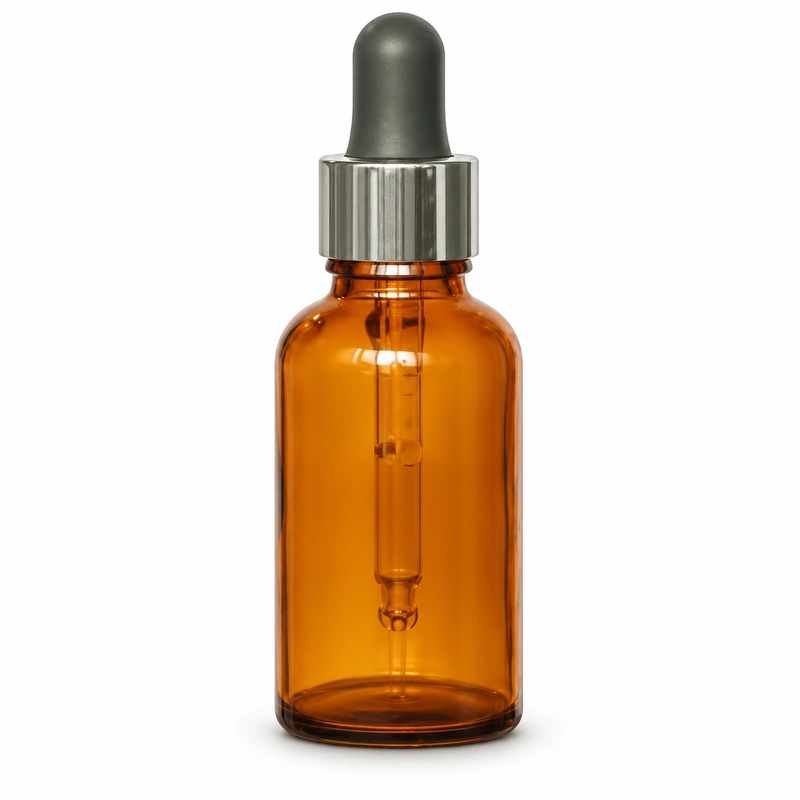
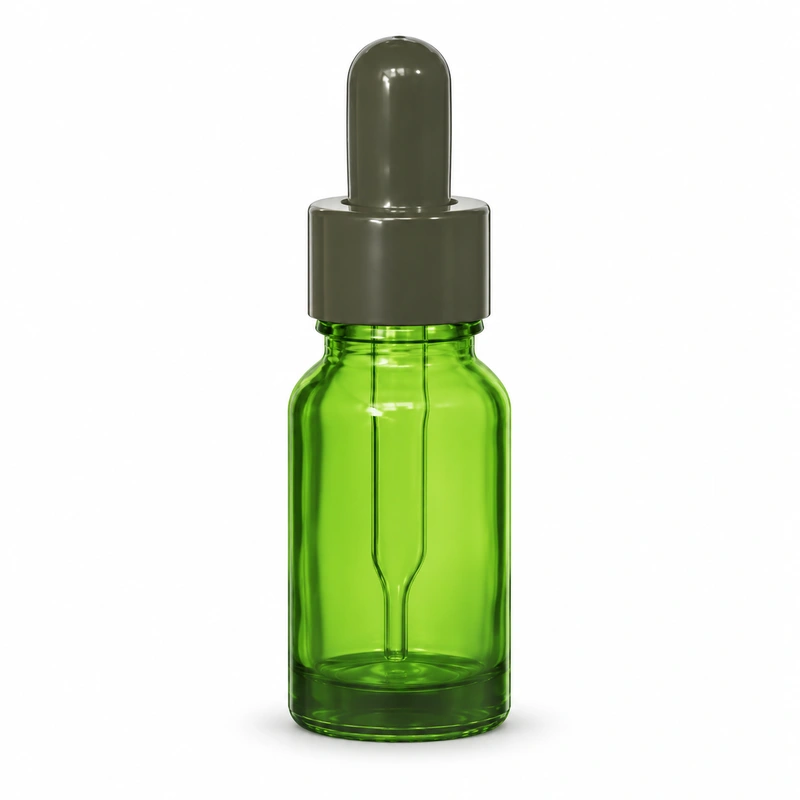
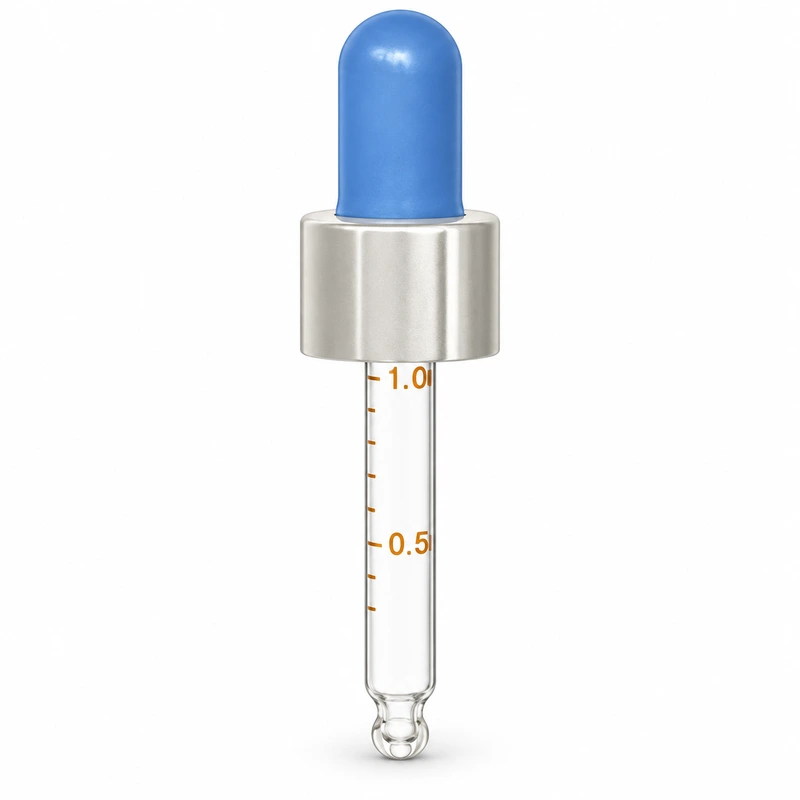
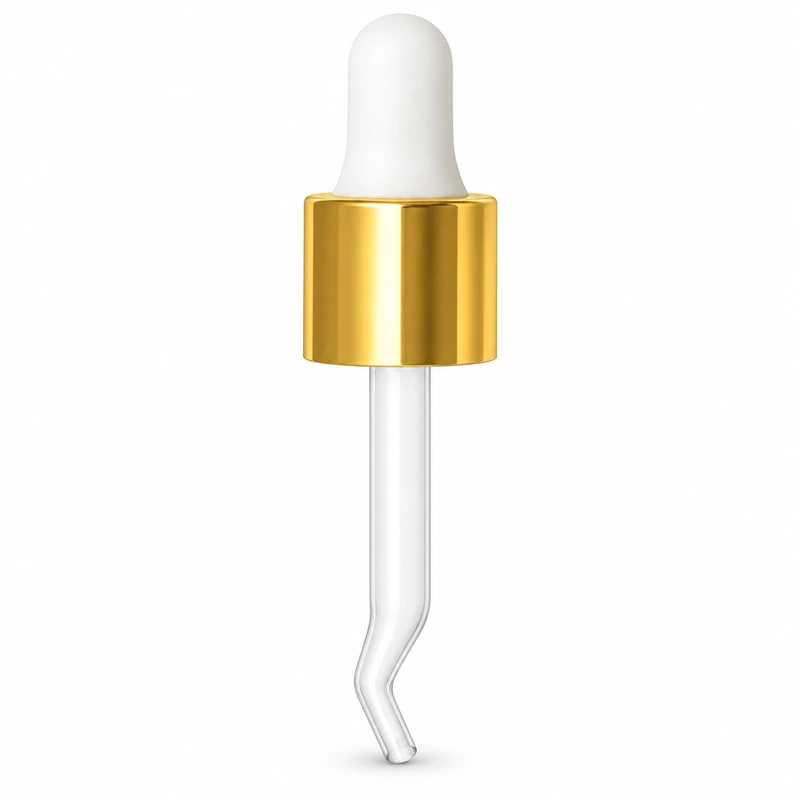
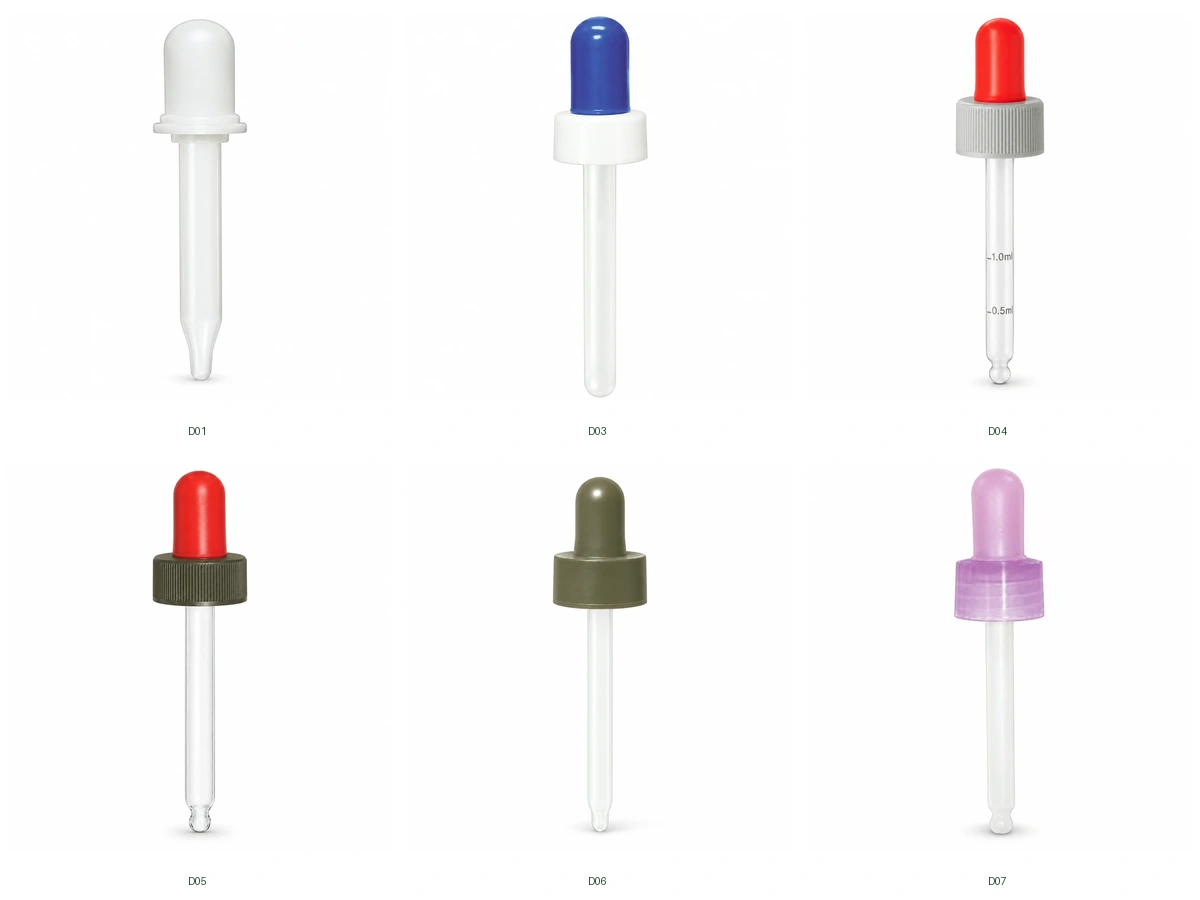
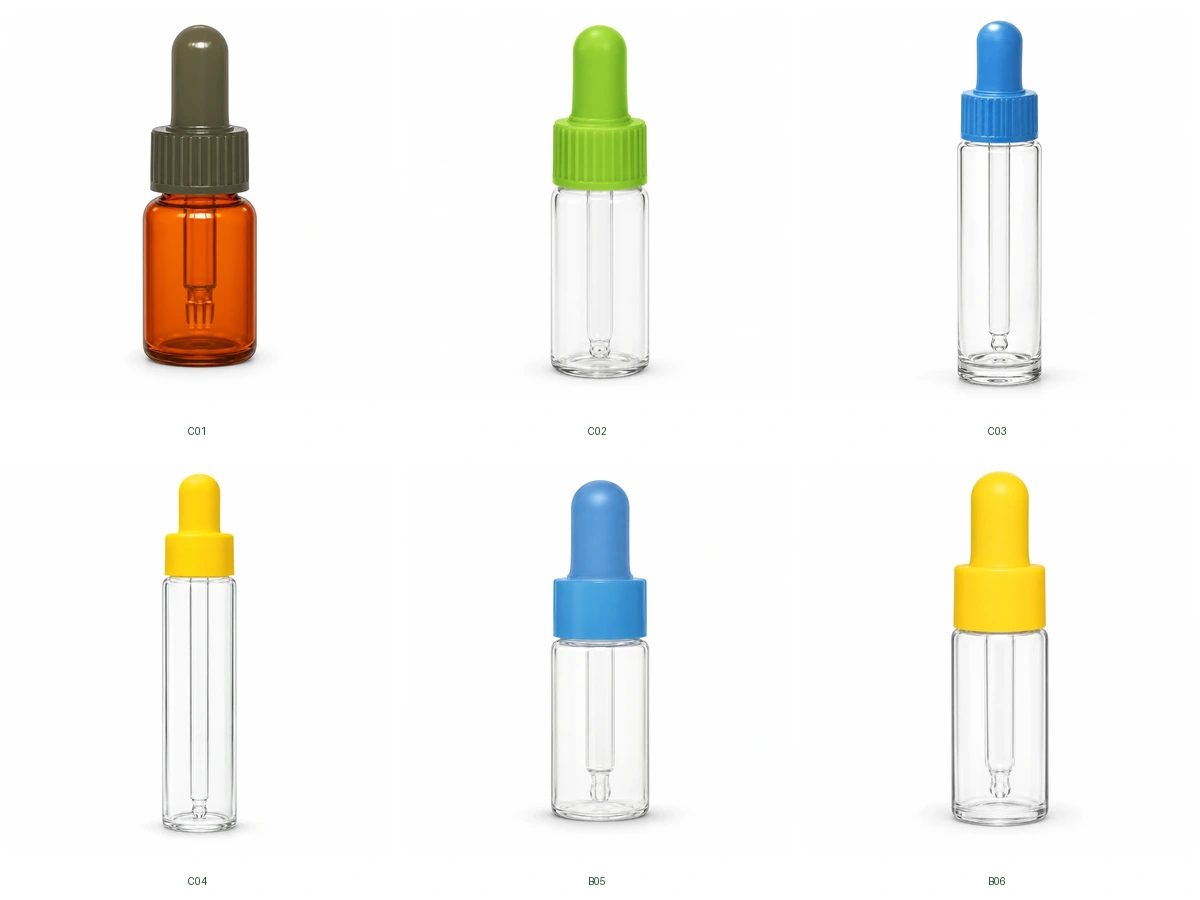
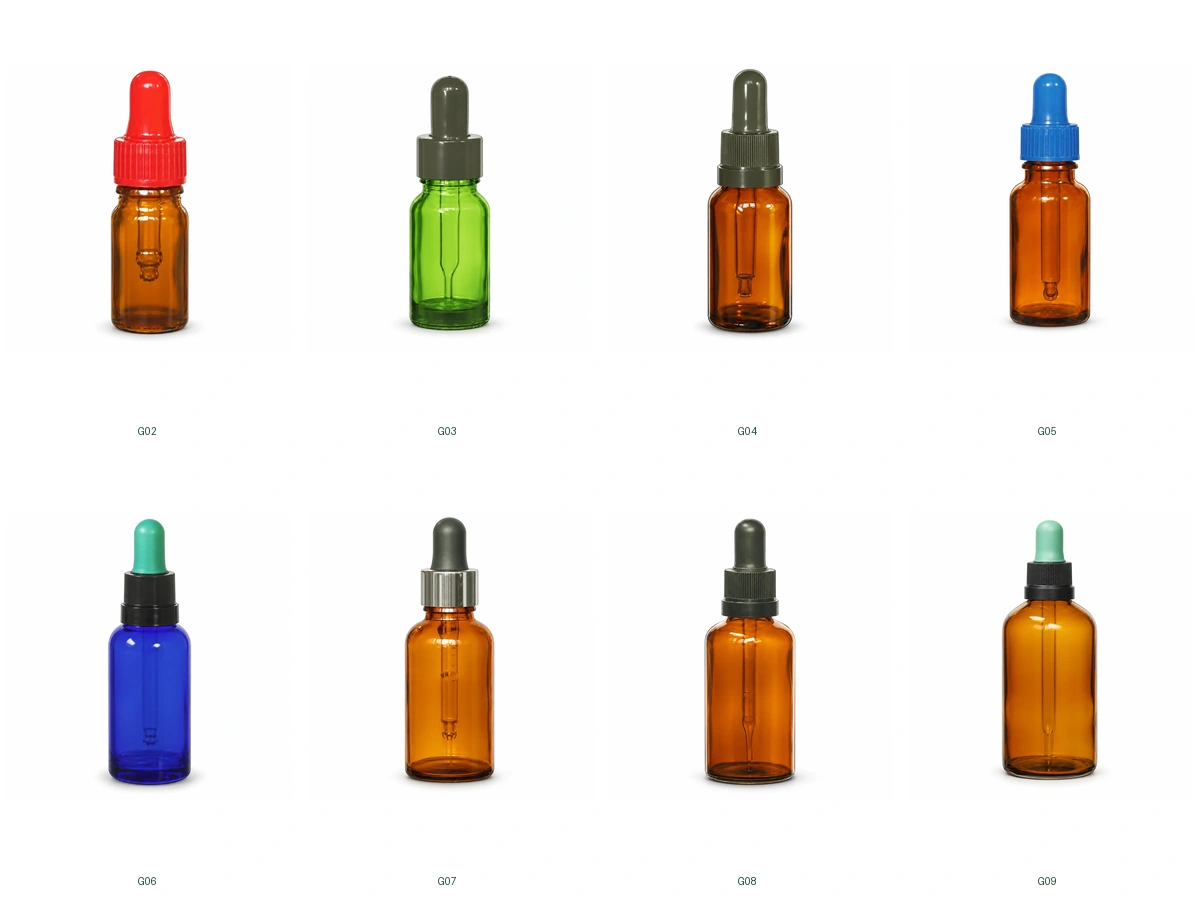
Components to discuss with your supplier.
These references share the component type discussed here. Confirm the selected assembly and application with samples.
VIEW THE COMPONENTS